
Exploring the relationship between risk and reward in gambling games
Understanding Risk in Gambling
The concept of risk in gambling revolves around the uncertainty of losing money versus the potential for winning. Each game presents a set of probabilities that influences the gamble a player is willing to take. For instance, games like slot machines often have higher risks because they involve a small chance of hitting the jackpot against a greater likelihood of walking away empty-handed. This divergence sets the stage for determining how much a player is willing to stake based on potential rewards.
Risk perception varies widely among gamblers; some may thrive in high-risk environments, while others prefer conservative bets. This perception is influenced by personal experiences, individual risk tolerance, and even the social environment in which the gambling occurs. Learning to assess these risks is integral to enjoying gambling responsibly.

Additionally, understanding the various types of gambling risks can further enhance a player’s ability to make informed decisions. For example, familiarizing oneself with the house edge—an inherent advantage that casinos hold over players—can provide significant insights into how certain games are designed to favor the establishment. This knowledge empowers players to choose which games align with their risk tolerance and gaming goals.
Evaluating Reward Potential
Rewards in gambling can take many forms, from monetary winnings to the thrill of the game itself. The allure of big payouts often leads players to engage in games with favorable odds, even when risks are high. Understanding the intricate balance of potential rewards is crucial; it keeps players invested in the gaming experience while navigating risk. Typically, games that promise higher rewards also involve greater risks, creating a tantalizing paradox.
Furthermore, the excitement surrounding massive jackpots can cloud judgment, leading inexperienced players to gamble beyond their means. A successful gambler is one who can weigh potential rewards against their likelihood of success and make informed decisions based on this evaluation. By focusing on both short-term wins and long-term strategies, players can enhance their overall experience while reducing the emotional turmoil often associated with gambling.
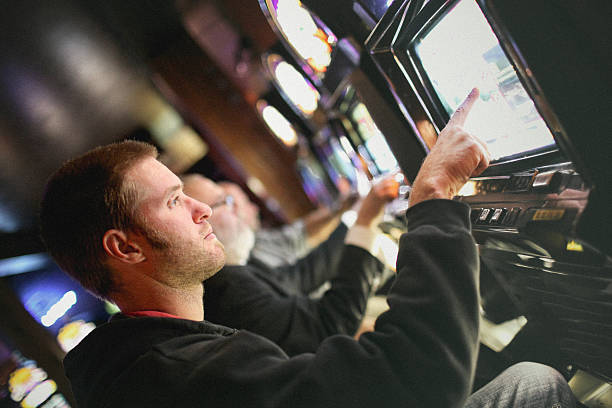
Moreover, evaluating the success stories of seasoned gamblers can provide valuable insights into reward dynamics. These individuals often emphasize the importance of patience, persistence, and a firm grasp of the game mechanics, which can significantly enhance one’s ability to capitalize on reward opportunities while remaining cautious about risks. Such lessons can be beneficial to newcomers looking to navigate the complex gambling landscape.
The Psychology Behind Risk and Reward
The relationship between risk and reward in gambling is not just about the numbers; it also delves deep into human psychology. Many gamblers experience a rush of excitement when they place a high-stakes wager, a phenomenon often linked to adrenaline and anticipation. This thrill can create a feedback loop where the chase for rewards overshadows the realities of risk.
Moreover, cognitive biases play a significant role in how people approach gambling. Some may fall victim to the “gambler’s fallacy,” believing future outcomes will be influenced by past results, leading to riskier bets. Understanding these psychological factors can aid in making more rational choices in gambling situations. Education on these psychological traps can help players break free from destructive patterns and foster a more positive gambling environment.
Additionally, the presence of peer influence can further complicate a gambler’s decision-making process. People may feel pressured to take on riskier bets due to group dynamics, especially in social gambling settings. Recognizing these social influences is key for individuals who wish to maintain control over their gambling behavior while still enjoying the camaraderie that gaming can bring.
Strategies for Balancing Risk and Reward
Finding a balance between risk and reward requires strategy and self-discipline. Successful gamblers often set predefined limits on losses and gains, allowing them to enjoy the experience while minimizing the potential for significant losses. This proactive approach contributes to more sustainable gambling practices, offering an enjoyable environment that still recognizes inherent risks.
Additionally, choosing the right games based on individual risk tolerance can significantly impact one’s gambling experiences. For instance, a player might opt for table games with lower variance, which might not offer massive payouts but can provide more consistent winnings over time. This strategic mindset aids in navigating the complexities of gambling while enjoying its rewards. It can also be beneficial to practice bankroll management, which entails monitoring one’s spending and ensuring it aligns with personal financial goals.
Incorporating small, manageable goals during gaming sessions can further solidify a balanced approach to gambling. Recognizing when to walk away, celebrating small wins, and focusing on the entertainment aspect of gambling can make the experience more rewarding overall. It fosters a healthier relationship with risk, encouraging players to view gambling as a leisure activity rather than solely a means for profit.
Discover More on Gambling Insights
For those seeking a deeper understanding of gambling and its intricacies, numerous resources are available online. Websites focused on gambling often feature tips and insights that can help players make informed decisions. Additionally, players can find information on fast paying casinos, allowing for an enjoyable and swift gaming experience.
Furthermore, many platforms offer responsible gambling resources aimed at helping players maintain a healthy relationship with their gambling habits. By utilizing these insights, individuals can better explore the delicate balance between risk and reward in the gambling landscape while promoting safer gameplay. This emphasis on awareness and education helps ensure that gambling remains an entertaining pastime rather than a source of stress or financial hardship.
Leave a comment